
CPHI, makesense, and UNICEF Facilitate Human-Centered Design Workshop with Malidegao SGA to Strengthen Community Healthcare Feedback Systems
Share this post:
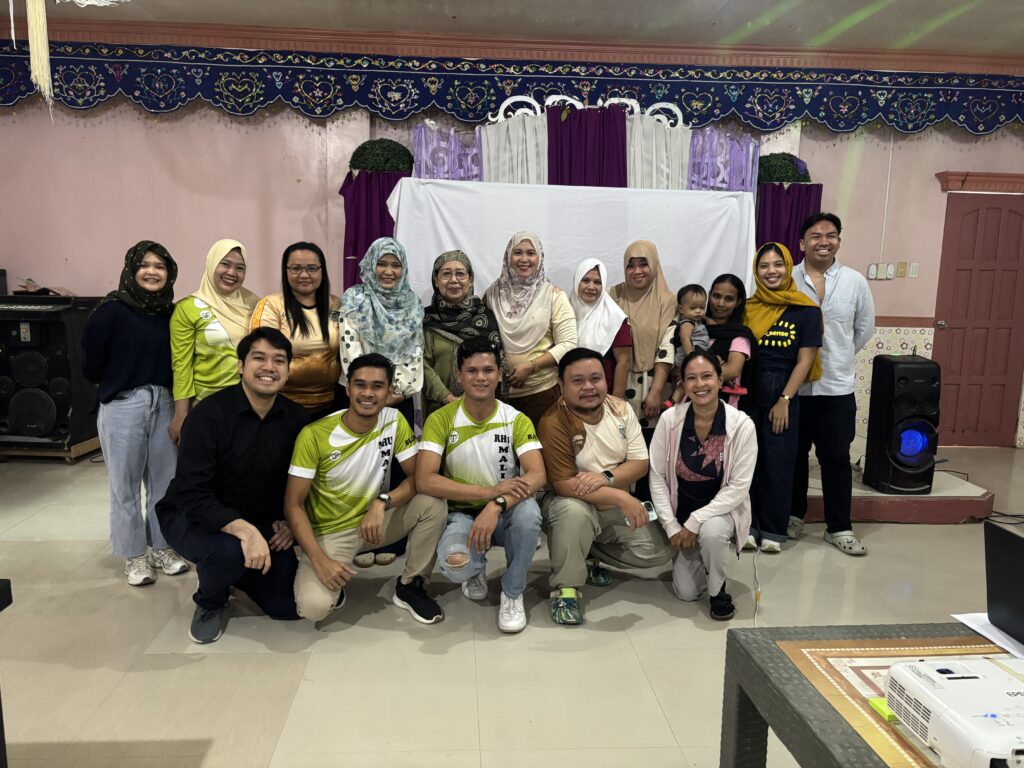
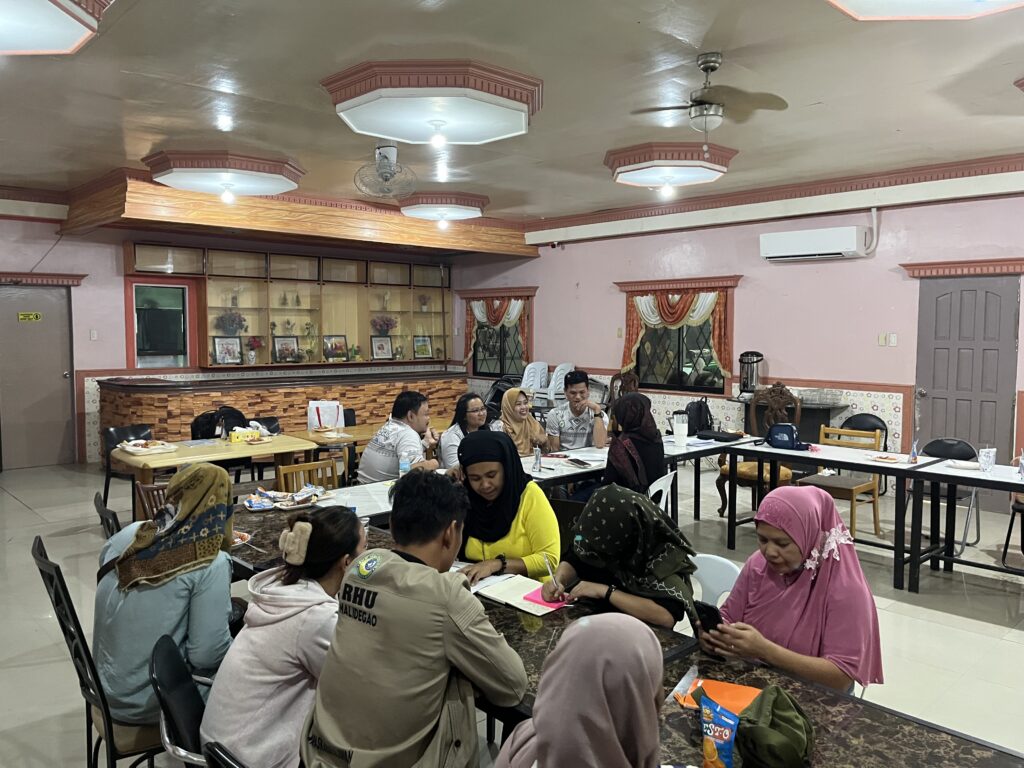
CP Health Innovations (CPHI), in collaboration with makesense Asia and UNICEF Philippines, conducted a two-day Human-Centered Design (HCD) workshop with the Malidegao Special Geographic Area (SGA) Rural Health Unit (RHU) on June 24–25, 2025. Located in the Bangsamoro Autonomous Region in Muslim Mindanao (BARMM), Malidegao is one of the Special Geographic Areas in the region. The workshop was part of an initiative to co-create user and health worker feedback mechanisms that support the delivery of quality immunization and other essential health services. It brought together community members, clients, healthcare workers, and health leaders to explore how feedback can become more accessible, meaningful, and actionable in improving local healthcare delivery.
As part of the collaborative initiative, CPHI played a key role in facilitating the HCD process, guiding participants in examining their existing experiences, identifying challenges, and developing solutions grounded in the realities of their community. Discussions highlighted the importance of trust-building, particularly in Malidegao, where geographical barriers, cultural considerations, and vaccine hesitancy continue to influence access to healthcare. Participants shared how face-to-face conversations, house-to-house visits, Facebook Messenger groups, and suggestion boxes currently serve as channels for communication and feedback. The discussions also surfaced the need for more structured ways to document concerns and ensure that feedback leads to appropriate action.
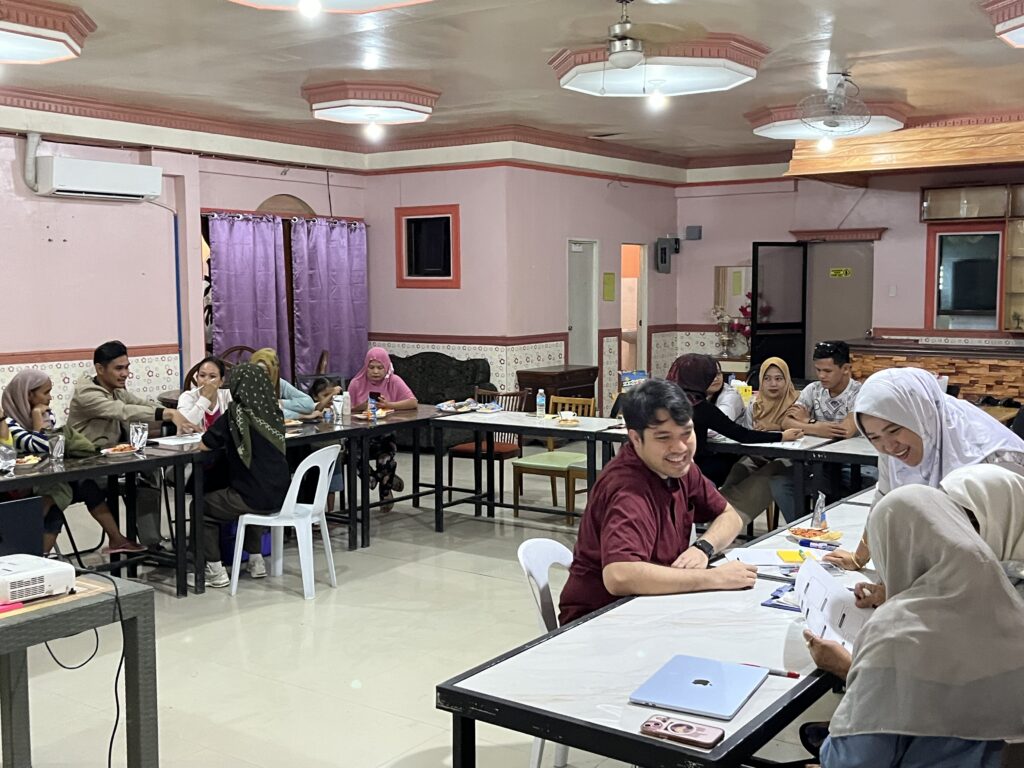
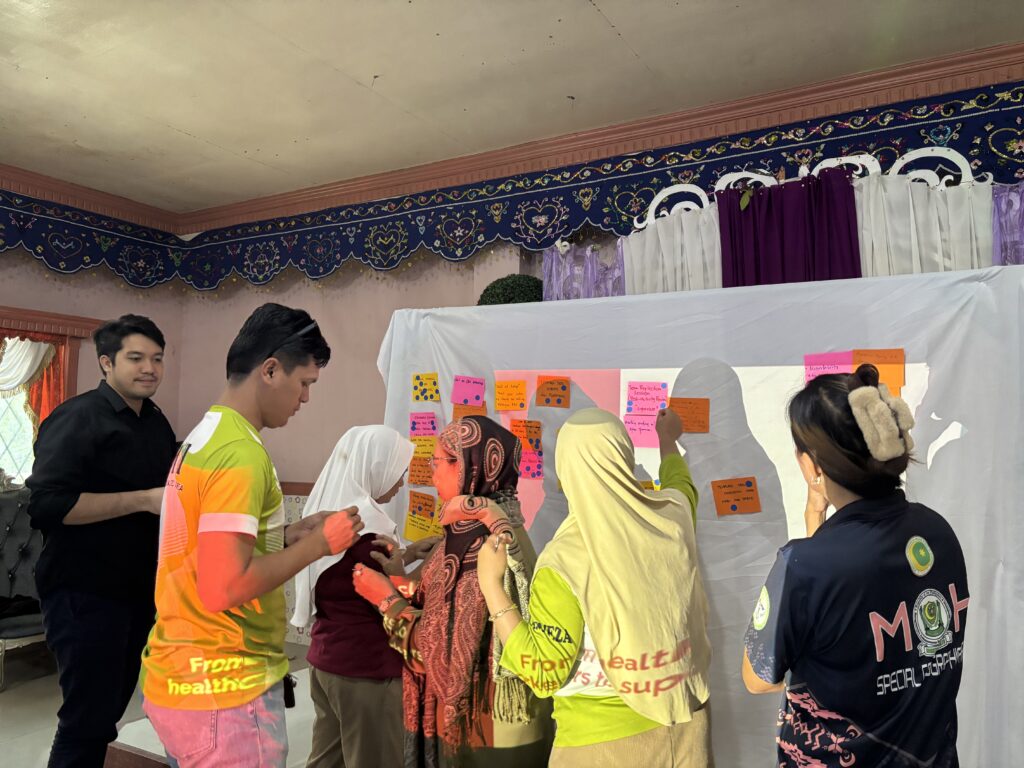
Through collaborative design activities facilitated by the project team, participants developed personas and journey maps representing the experiences of clients, healthcare workers, and supervisors. These exercises helped identify opportunities to improve communication and accountability across different levels of healthcare service delivery. Among the proposed solutions were a standardized approach to client feedback using existing communication channels, complemented by a visual Feedback Wall at the health facility, and a proposed Code of Conduct Manual or Guidelines to establish clear expectations, promote professionalism, and provide healthcare workers with a safer and more structured environment for raising concerns.
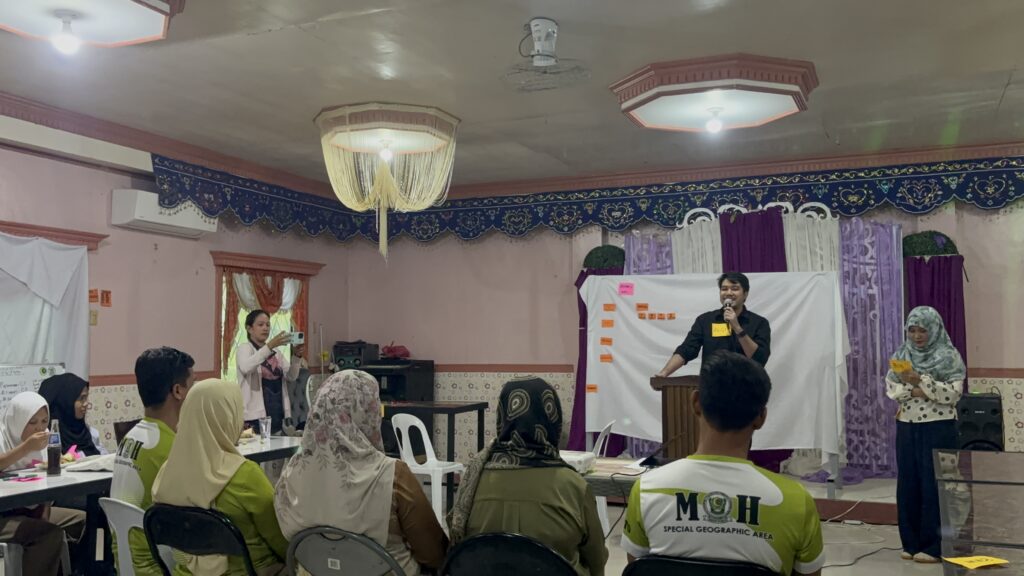
Beyond developing initial prototypes, CPHI helped facilitate interactive exercises and role-playing activities that allowed participants to demonstrate how their proposed solutions could work in actual healthcare settings. This approach helped ground the ideas in everyday workflows while encouraging participants to identify potential process owners and success measures for implementation. The workshop reinforced the importance of designing solutions alongside the people who will use and sustain them. Through its collaboration with makesense Asia and UNICEF Philippines, CPHI continues to champion human-centered, community-driven approaches to strengthening health systems, empowering frontline health workers, and making healthcare services more responsive to the needs of the communities they serve.