UNICEF, Makesense Asia, and CPHI Conduct Human-Centered Design Workshop on Immunization Feedback Mechanisms in Nagcarlan RHU
Share this post:
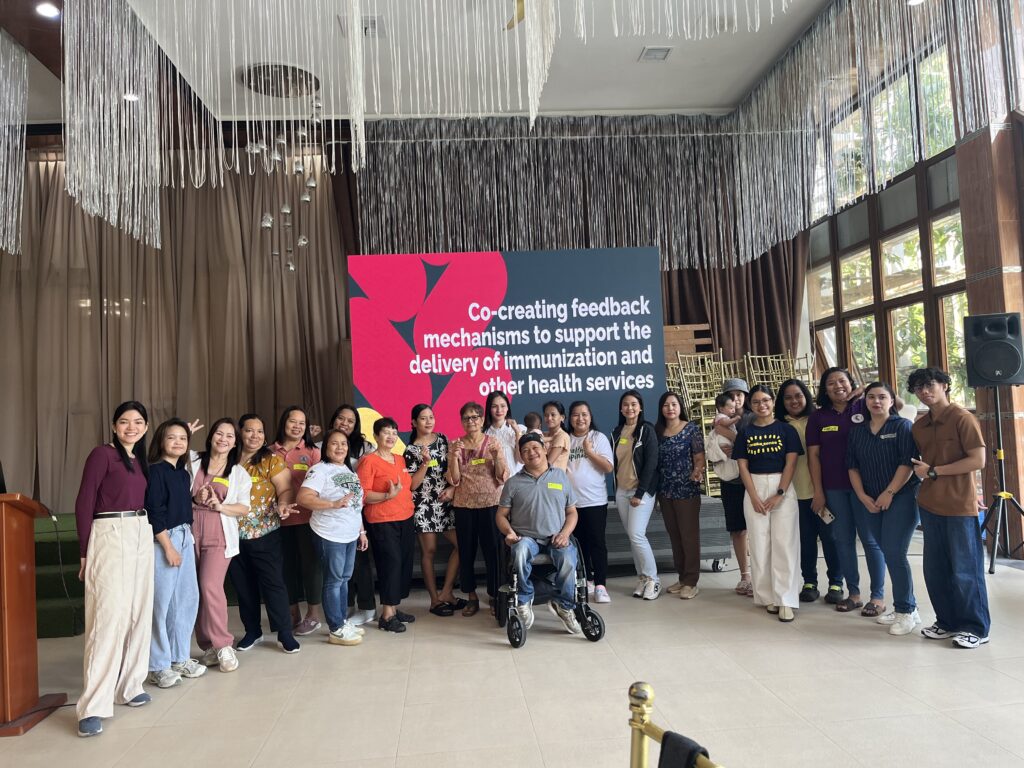
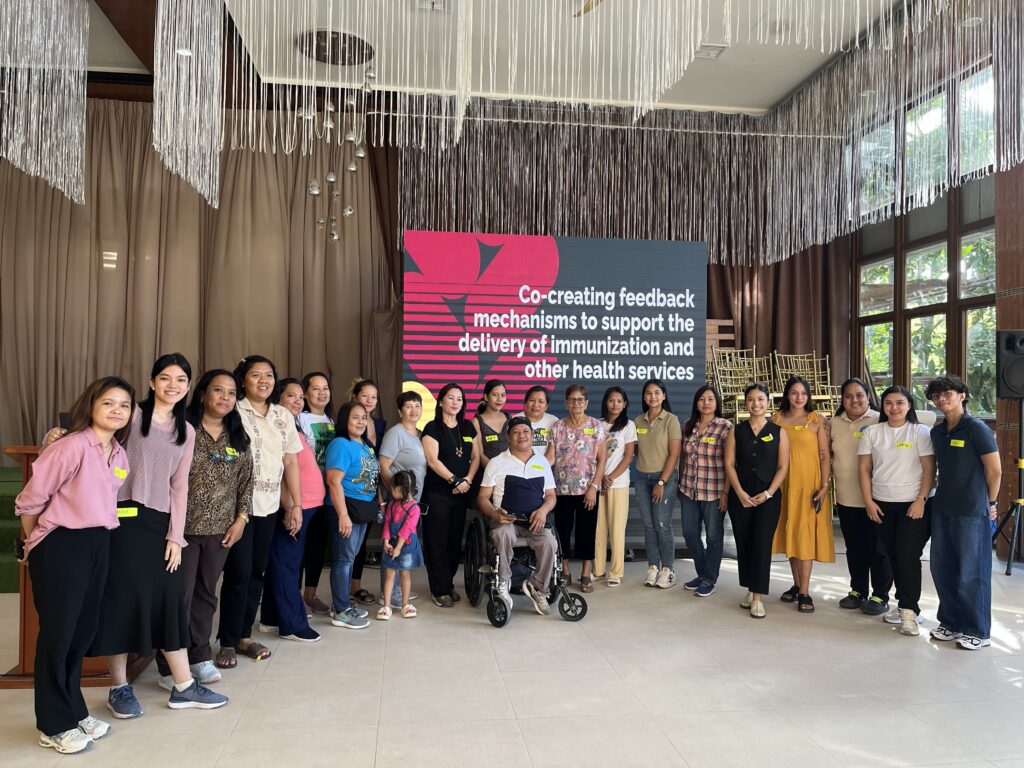
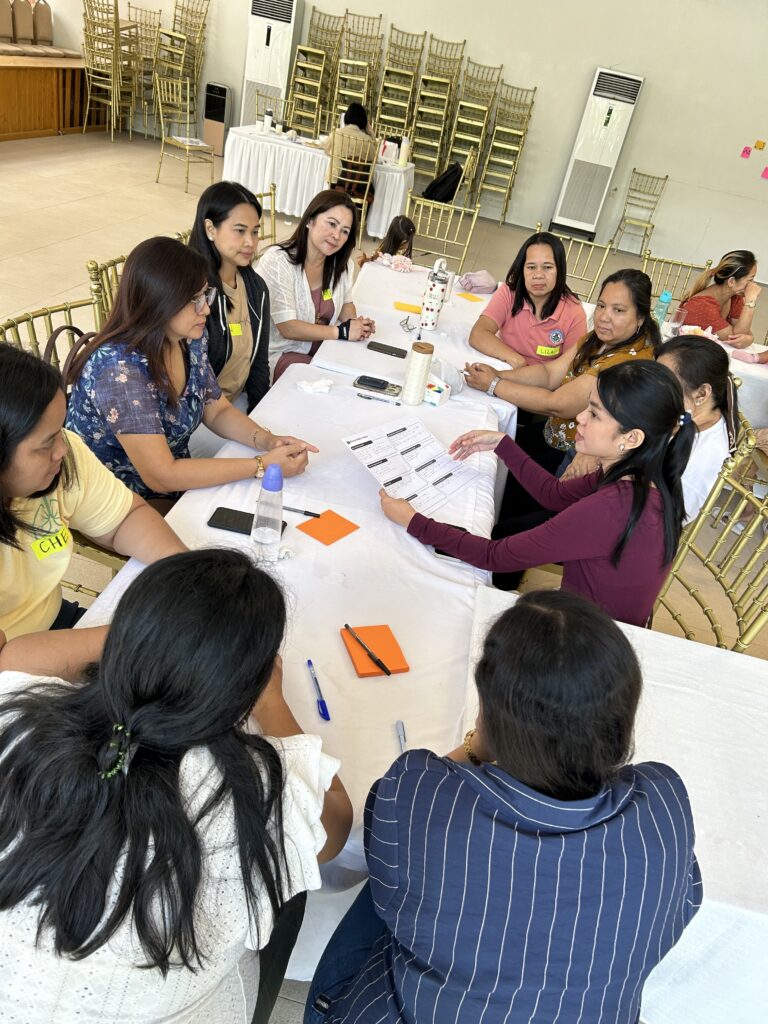
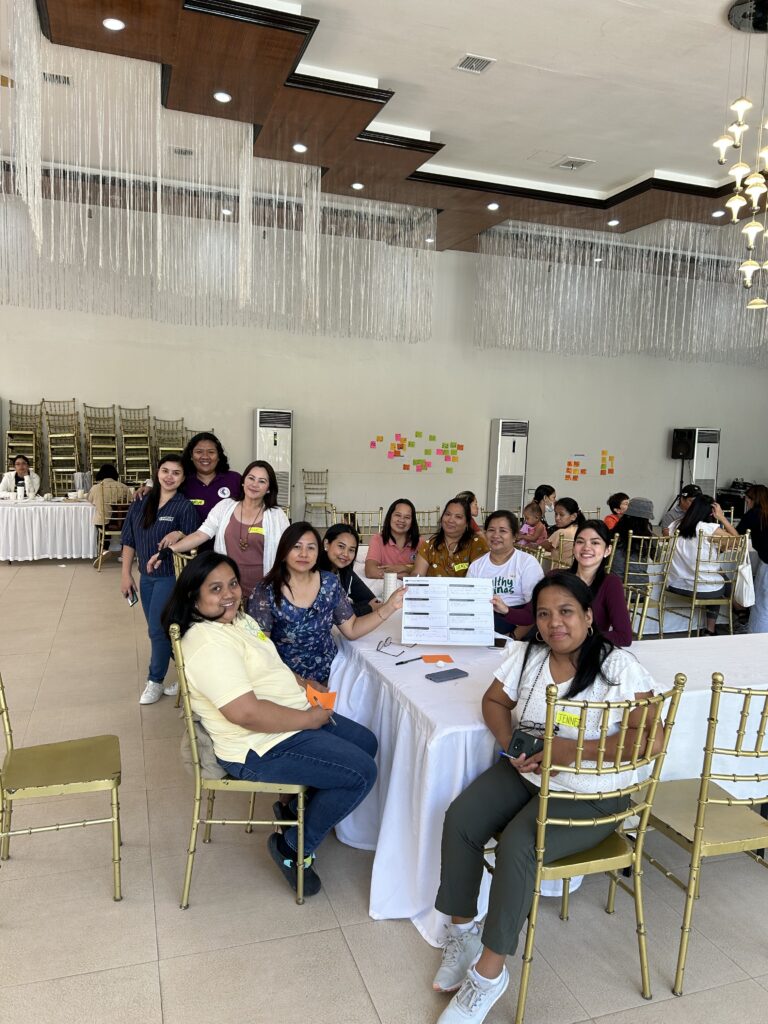
In August 2025, CP Health Innovations (CPHI) participated in the third Human-Centered Design (HCD) Workshop in Nagcarlan, Laguna, under the initiative “Co-creating User and Health Worker Feedback Mechanisms Using a Human-Centered Design Approach to Support the Delivery of Quality Immunization and Other Health Services.” Implemented by Makesense Asia, with the participation of UNICEF, the initiative aimed to develop practical and accessible ways for community members and healthcare workers to share feedback on immunization and other health services. Held on August 19–20, 2025, the workshop brought together 10 healthcare workers and nine community members, including mothers, pregnant mothers, senior citizens, and persons with disabilities.
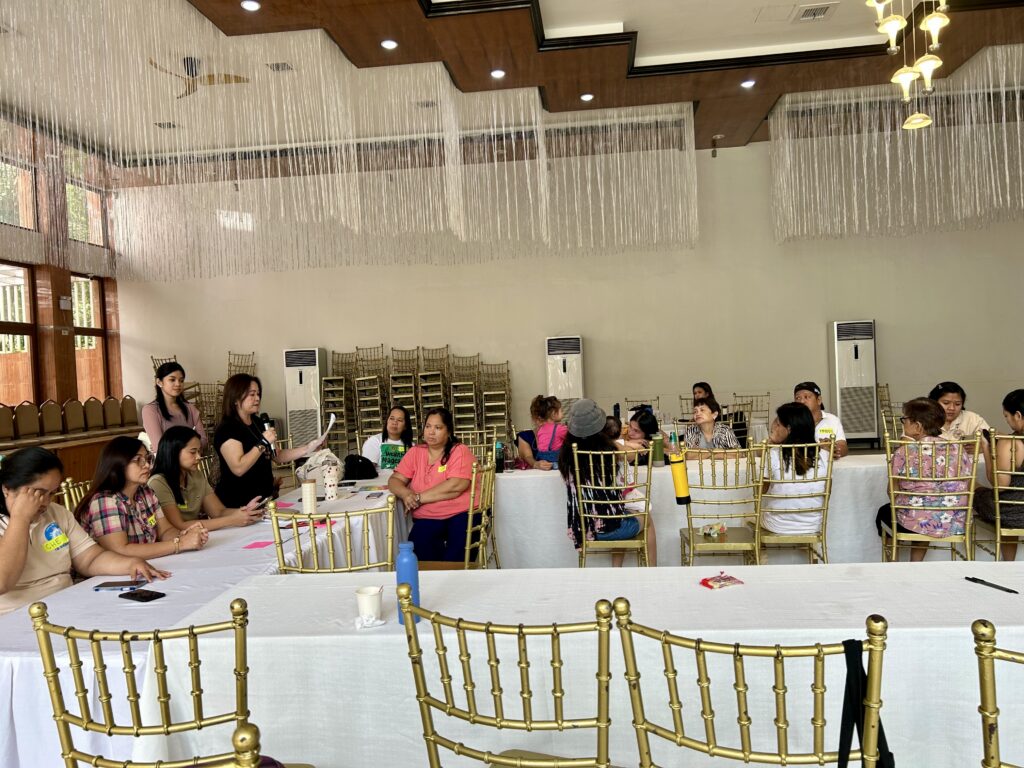
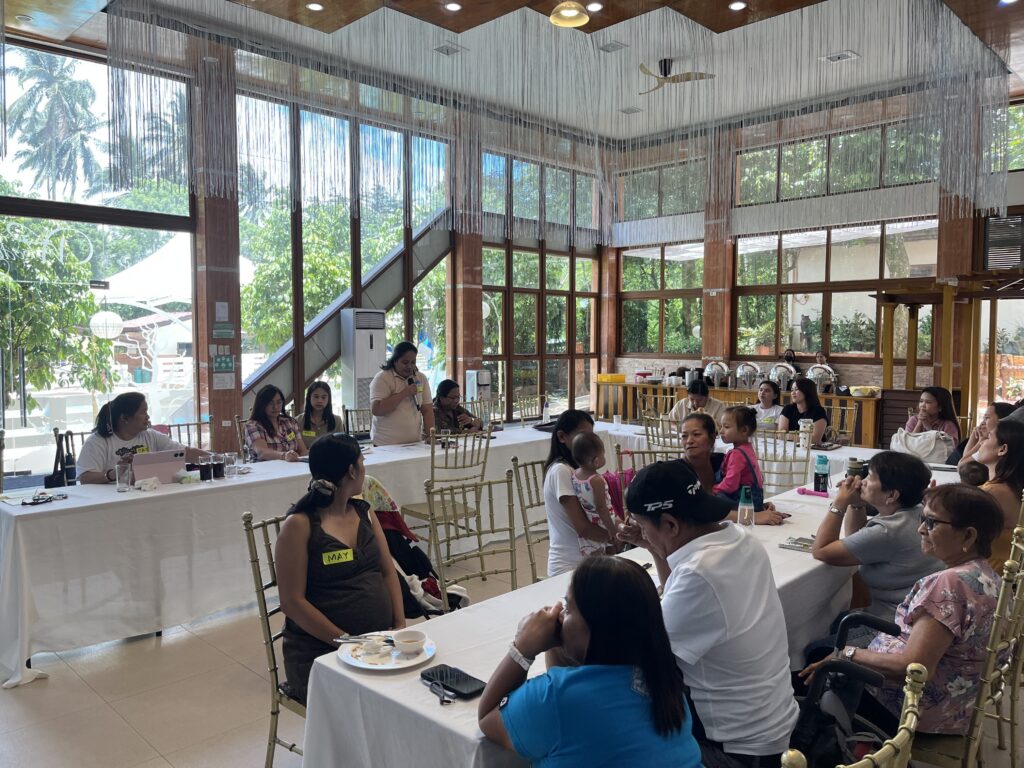
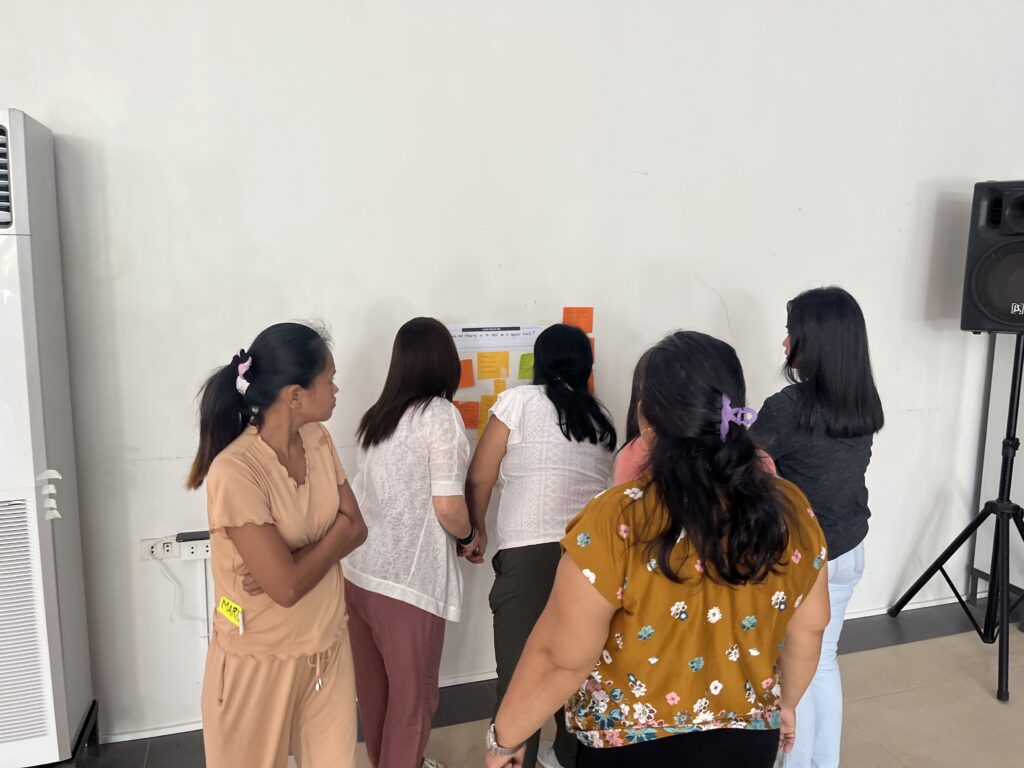
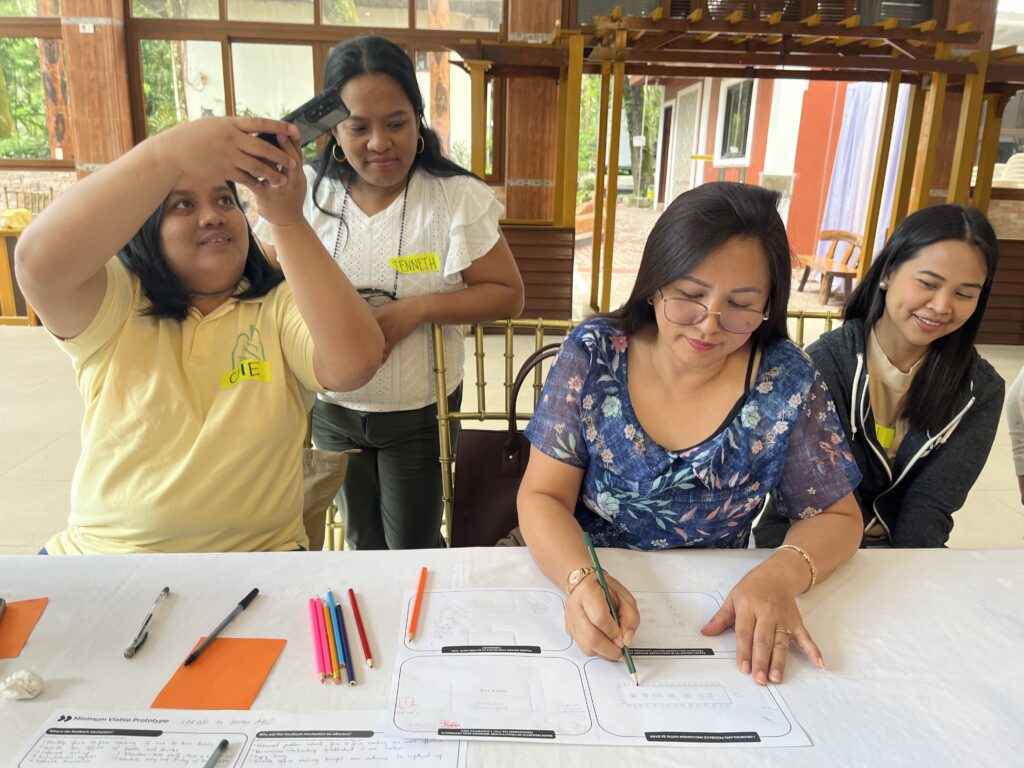
Throughout the two-day Human-Centered Design Workshop, CPHI joined the facilitation of activities that allowed clients, healthcare workers, and supervisors to share their experiences and identify gaps in existing feedback processes. Participants discussed their current ways of communicating concerns, including face-to-face conversations, group chats, and survey forms. They also explored challenges encountered when accessing health services, such as overcrowding, occasional shortages of supplies, and limited awareness of formal channels for submitting feedback. Through persona development, journey mapping, brainstorming, and role-playing, participants worked together to understand how feedback could be more effectively collected, communicated, and addressed within their local health facilities.
The workshop resulted in the development of two Minimum Viable Prototypes (MVPs) for strengthening feedback mechanisms: a group chat-based channel for clients to communicate with healthcare workers, and monthly face-to-face meetings between healthcare workers and their supervisors. The group chat mechanism would allow clients to receive immunization announcements, ask questions, and raise concerns directly with their barangay health workers, while providing a channel for private communication when sensitive matters arise. Meanwhile, the monthly meetings would give healthcare workers and barangay health workers an opportunity to report accomplishments, raise operational concerns, discuss challenges in delivering immunization services, and receive feedback from their supervisors.
For CPHI, participation in this initiative alongside Makesense Asia, UNICEF, and local health stakeholders reflects its commitment to supporting more responsive and people-centered healthcare services. The Nagcarlan Human-Centered Design Workshop highlighted the importance of giving both clients and frontline healthcare workers accessible channels to communicate their experiences and concerns. By designing feedback mechanisms around the actual needs and routines of the community, the initiative seeks to strengthen communication, improve accountability, and support the continuous improvement of immunization and other essential health services.